
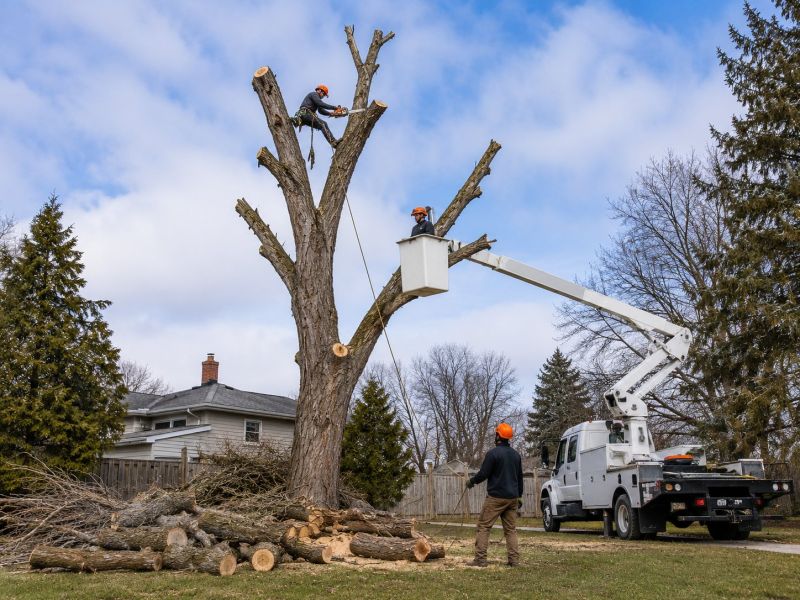
Dead Tree Removal in Allentown, PA
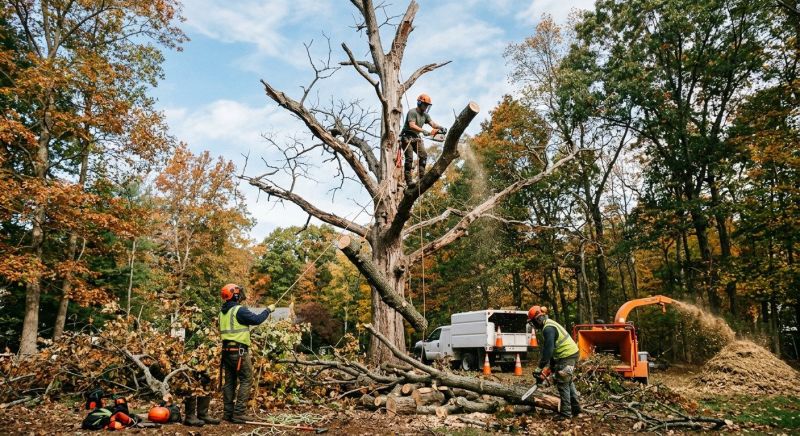
Dead tree removal services involve the safe and efficient removal of trees that are dead, decaying, or pose a risk to property and safety. These projects typically include assessing the tree’s condition, planning the safest method for removal, and then executing the process to eliminate the tree and its debris from the property. Homeowners often request this service when a tree shows signs of disease, damage from storms, or has become unstable, especially near structures, power lines, or heavily trafficked areas.
Before requesting dead tree removal, property owners should consider the tree’s location, size, and potential impact on surrounding structures or landscape. It’s important to understand whether removal will require permits or special equipment, and to assess the health risks associated with the tree’s condition. Clear communication about the scope of work and any potential challenges can help ensure the project proceeds smoothly and safely.
Many property owners in Allentown, PA look into Dead Tree Removal for repairs, replacements, upgrades, and appearance-related improvements.
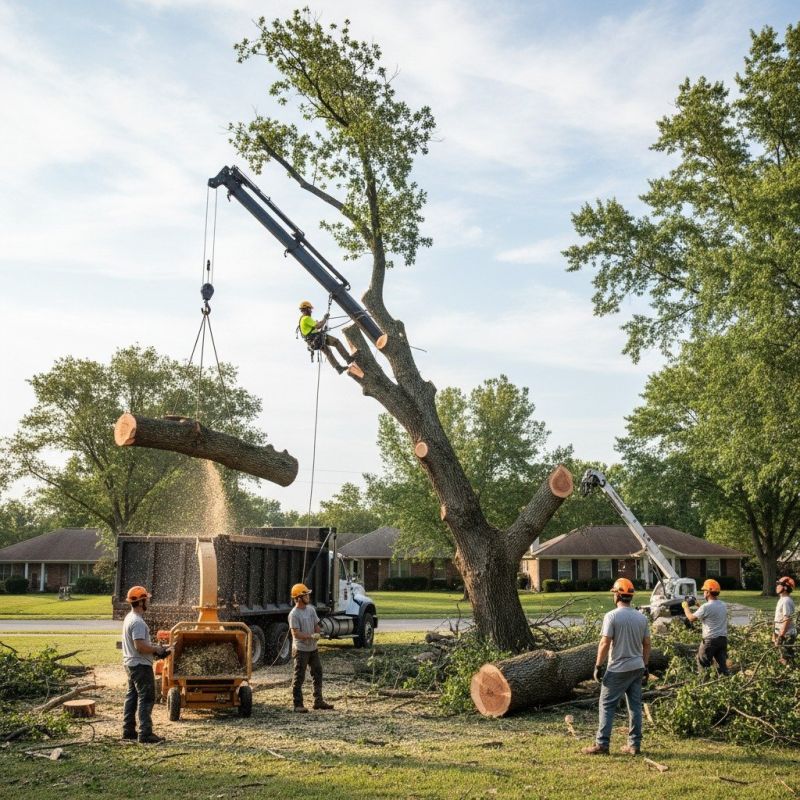
Reasons For Dead Tree Removal
Removing dead trees can prevent safety hazards and protect property value.
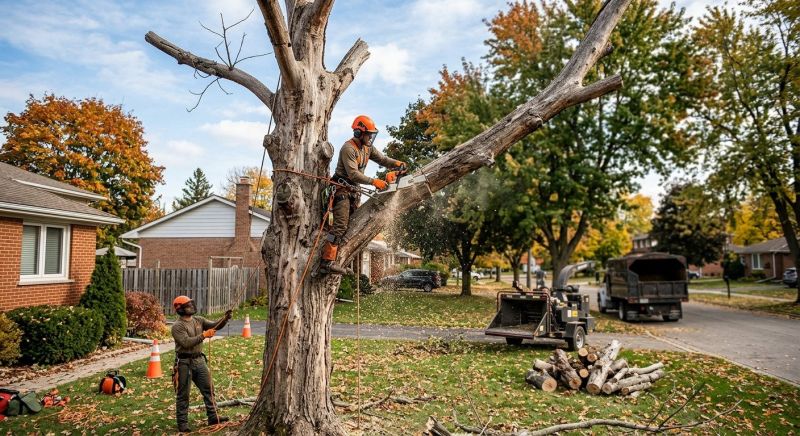
Signs A Tree Needs Removal
Indicators include dead branches, trunk decay, and leaning or unstable trees.
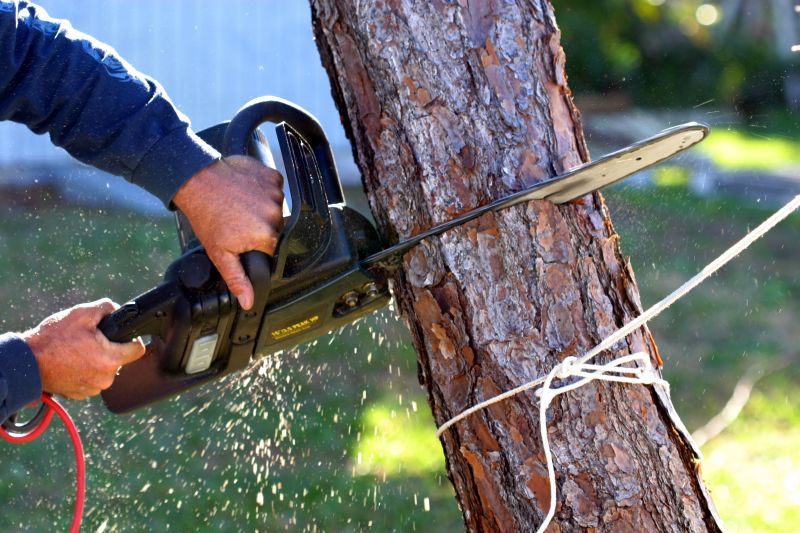
Benefits Of Tree Removal
Removing hazardous trees can improve landscape safety and maintain the health of surrounding plants.
Dead Tree Removal in Allentown, PA
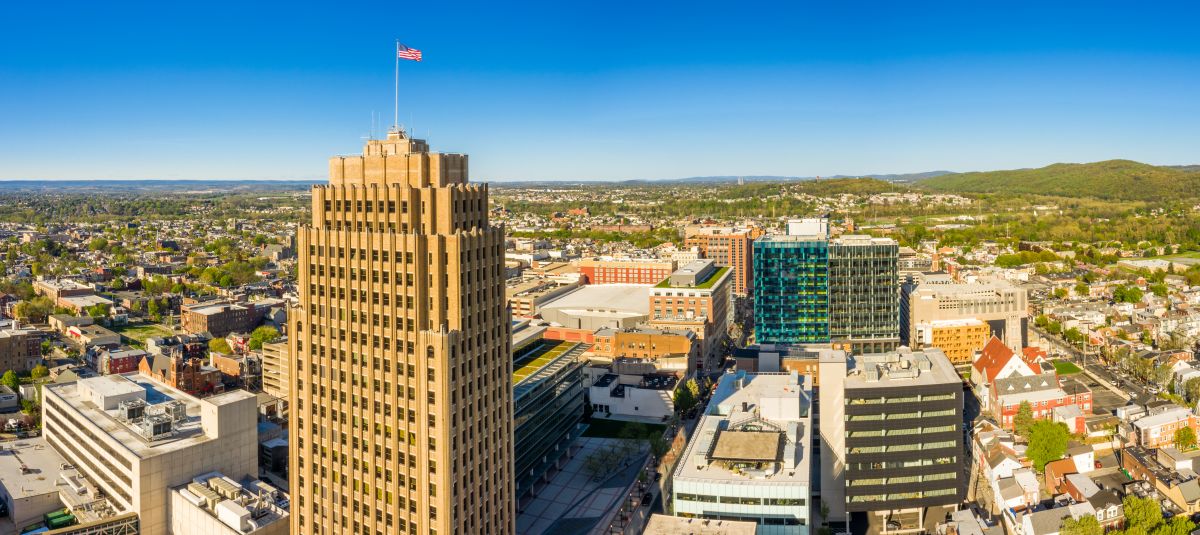
Dead tree removal services involve the safe and efficient removal of trees that are dead, decaying, or pose a risk to property and safety. These projects typically include assessing the tree’s condition, planning the safest method for removal, and then executing the process to eliminate the tree and its debris from the property. Homeowners often request this service when a tree shows signs of disease, damage from storms, or has become unstable, especially near structures, power lines, or heavily trafficked areas.
Before requesting dead tree removal, property owners should consider the tree’s location, size, and potential impact on surrounding structures or landscape. It’s important to understand whether removal will require permits or special equipment, and to assess the health risks associated with the tree’s condition. Clear communication about the scope of work and any potential challenges can help ensure the project proceeds smoothly and safely.
Many property owners in Allentown, PA look into Dead Tree Removal for repairs, replacements, upgrades, and appearance-related improvements.
Common Dead Tree Removal Jobs
Dead Tree Removal - safely eliminates hazardous or decayed trees from residential or commercial properties.
Emergency Dead Tree Removal - addresses urgent situations where fallen or unstable trees threaten safety.
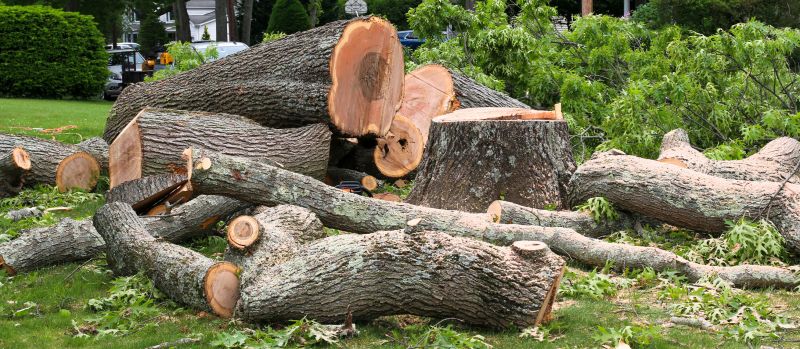
Stump Grinding and Removal - clears remaining stumps after tree removal to improve landscape appearance.
Selective Dead Tree Removal - targets specific trees that pose risks or interfere with property features.
Large-Scale Dead Tree Removal - manages extensive tree removal projects for commercial or large residential sites.
Dead Tree Assessment - evaluates tree health to determine the need for removal or treatment options.
Dead Tree Removal Questions
Why remove dead trees? Dead trees can pose safety risks, damage property, and attract pests that may harm healthy trees or structures.
What types of trees are typically removed? Removal services often handle various species, including large, hazardous, or decayed trees that threaten safety or property.
Is dead tree removal necessary near structures? Yes, removing dead trees close to buildings or power lines reduces the risk of falling branches or complete tree failure.
What should property owners consider before removal? It's important to assess the tree's location, size, and condition to determine the best removal approach for safety and property preservation.
Request Dead Tree Removal in Allentown, PA
Use the quote form on this page to share the basics of your project and request more information for the type of work you need.